-Roshni-Abhichandani.png)
-
Email Info@gmail.com
-
Phone +91 9644977751
-
Hospital Hours Mon - Sat : 9:00AM To 5:00PM
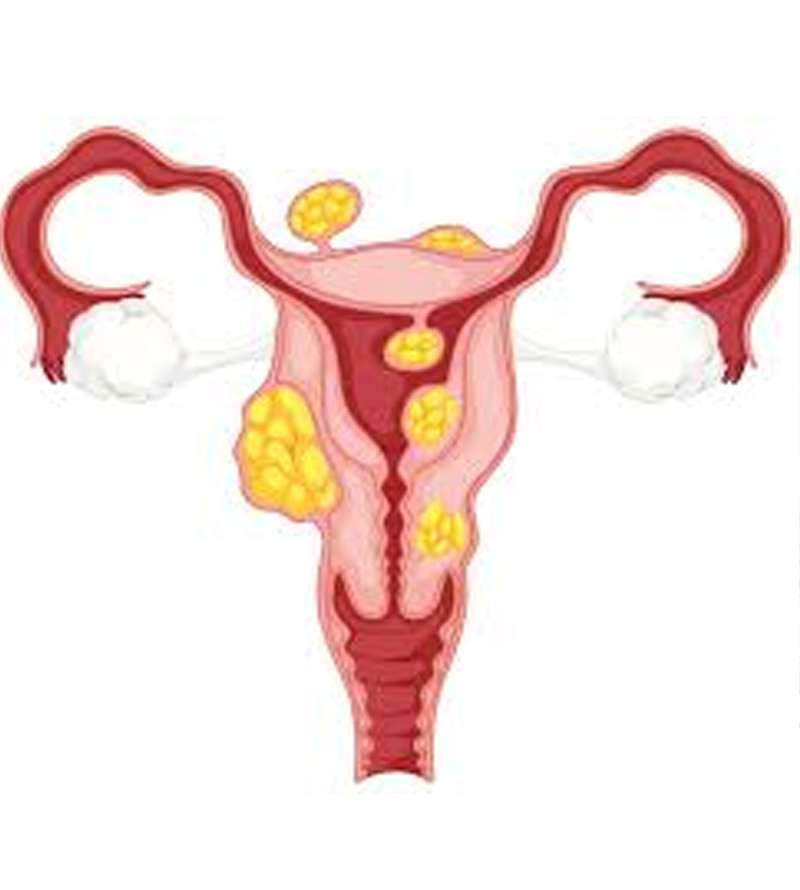
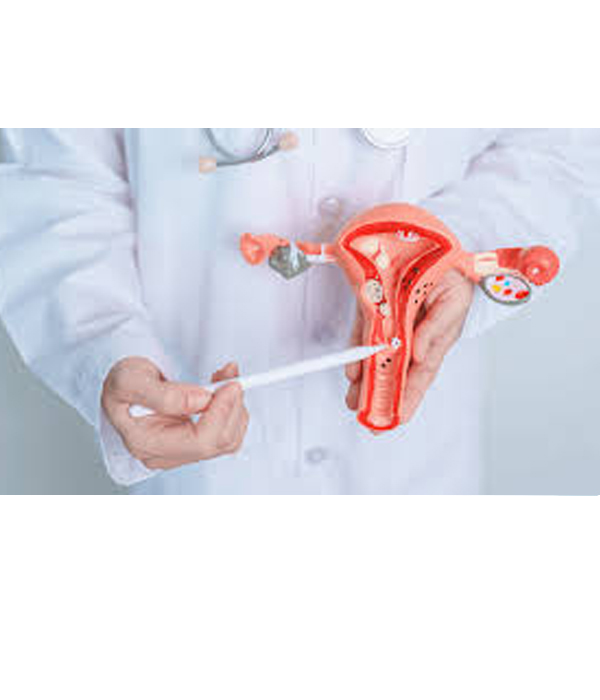
Myomectomy is a surgical procedure performed to remove uterine fibroids (myomas) while preserving the uterus. It is the preferred treatment option for women who wish to maintain fertility or avoid hysterectomy.
Fibroids are non-cancerous growths that develop in or around the uterus and may cause heavy bleeding, pelvic pain, pressure symptoms, or difficulty conceiving.
Myomectomy is recommended when fibroids cause:
Myomectomy is recommended when fibroids cause:
Minimally invasive procedures allow faster recovery and quicker return to daily routine.
Like any surgery, myomectomy may carry minor risks such as bleeding, infection, or scar tissue formation. However, when performed by experienced specialists, it is a safe and effective procedure.
Early evaluation helps prevent complications and supports better reproductive outcomes.
Book an appointment, visit our clinic or consult online, and receive personalized expert advice with proper diagnosis and treatment guidance.
Full Process